


Why is a KYC Not Enough to Stop Fraud?
Let us imagine a hypothetical case, but one very closeto the reality we live today: everything seemed in order. The document wasauthentic, the selfie matched perfectly, the email and phone number werevalidated, and the system issued a confident "approved."
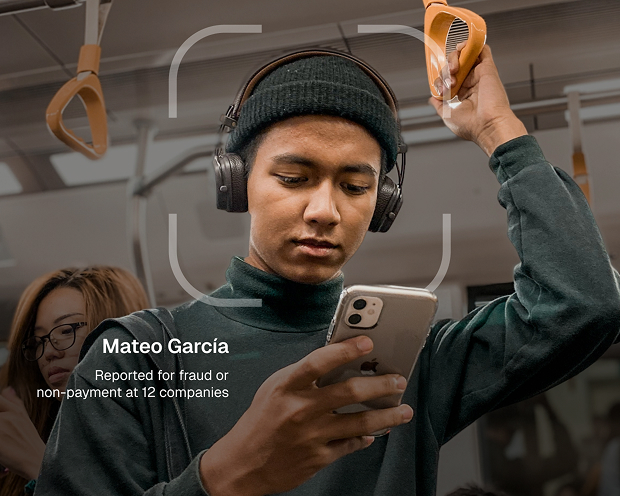
However, barely a month later, the truth came to light.That client never intended to pay. But the most alarming thing is that it wasnot the first time they acted this way. In other companies, they had alreadyrequested credits using different names and documents… but always with the sameface.
This is the harsh reality of many companies thatdiscover, too late, that a flawless KYC does not guarantee security. What oncewas enough to stop fraud is today barely the first barrier, easily breached byincreasingly sophisticated fraudsters.
Theinevitable question arises: what is needed to truly stop them?
The problem: a systemstuck in the past
Not so long ago, getting a card or a loan was an almostunshakeable ritual: going to the branch, showing your ID, signing papers, andwaiting for approval. It was a slow system, yes, but also predictable.
With the arrival of the pandemic and the boom in digitalservices, everything changed. Financial institutions adapted rapidly,incorporating technological solutions that added layers of biometric securityand document validations. Even the CURP, which today includes biometric datasuch as a photo, fingerprints, and even a digital iris, was integrated as justanother resource to validate identity.
But the game keeps evolving... and not in our favor.Today, criminals use hyper-realistic masks, images generated with artificialintelligence, and advanced application manipulation. The data may match, theface may be the same as the one on the CURP, but the intention is not. Anapplicant can have legitimate documents and still request a loan with nointention of paying it back.
In otherwords: We continue to rely on a system that identifies who you are, but not howyou act.
Detecting the fraudster:beyond the documents
The reality is that a legal identity does not alwaysreflect a legitimate intention. A fraudster can present an authentic officialID, a perfectly matching selfie, and documents in order... but have a verydifferent goal: to take advantage of the system, obtain a benefit, anddisappear. In that instant, all documentary filters lose value.
For example: Traditional methods for detecting fraud,such as analyzing the IP address, email, and phone, have long been the firstline of defense in the validation process. However, according to an analysisconducted in 2024 by our data team, the effectiveness of these techniques isdecreasing: email validation detects 13% fewer frauds compared to 2023, and theability to identify fraud through IP analysis has fallen from 6.9% to 3.9%.
The real fight against fraud requires going beyondstatic data validation and focusing on behavior because the challenge is notjust confirming who someone is, but anticipating what they plan to do.
Thisconfronts us with an uncomfortable truth: The only element a fraudster cannoteasily alter is their face.
The future:collaboration and advanced biometrics
From this reality, a collaborative network was born thatallows companies to identify, in real time, if a user attempting to registerhas already committed fraud at another institution. A paradigm shift thatovercomes the traditional KYC approach, limited to validating documents anddata individually.
At Unico, we specialize in taking this vision to anotherlevel, integrating two key elements:
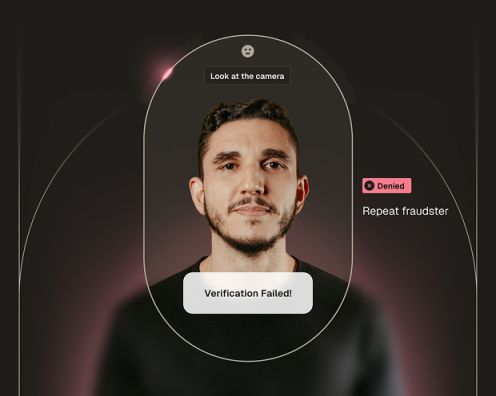
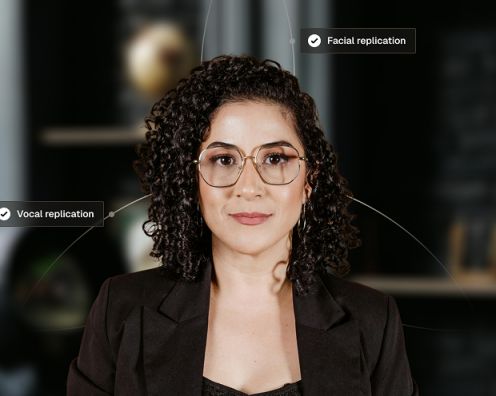
- Orchestrating biometric engine: Whenopening the camera for the selfie, the system alternates between differentfacial recognition engines, making it difficult for an attacker to anticipateor manipulate the verification.
- Shared identity network: Participatingcompanies can identify faces previously linked to fraud or non-payment, even ifthe document or data has been modified.
Unlike aproof-of-life test, this technology detects fraud patterns that go far beyonddocumentary validation.
The new frontier againstfraud in Mexico
In the past, the defense ended when a document matched aface. Today, we know that is not enough. Collaborative networks have turnedevery detected fraud into a shared warning sign. Dynamic biometrics havelearned to change before the attacker does. And behavioral analysis revealswhat documents will never show: intention.
In Mexico, companies are walking on increasinglyuncertain terrain, where technology advances by leaps and bounds and theunknown becomes the constant. In this scenario, clinging to old processes is nolonger an option; it is like trying to stop a wave with your hands. Now morethan ever, agility, innovation, and real collaboration are required toanticipate fraud movements.
In this new terrain, prevention is a race againsttime... and those who can anticipate win.



Want to know more?
Unico is the only identity network that replaces uncertainty with conviction, friction with seamless journeys, and risk with partnership.