


What is Deepfake and Why Should You Care?
In the digital age, "deepfakes" challengereality with convincing fake videos and photos, posing risks such as fraud andmanipulation.
In the dizzying advance of our digital world, we find ourselves at aturning point where differentiating between reality and fiction has become agrowing challenge. Artificial intelligence (AI), with its rapid evolution, sitsat the epicenter of this transformation, being one of the most disruptive anddouble-edged technologies of our era. "Deepfakes," one of the mostintriguing and disturbing applications of AI, use deep learning algorithms tocreate hyper-realistic images and videos.
This technology not only has the potential to revolutionize the creativeand entertainment industries, offering unprecedented levels of personalizationand realism, but it also poses significant risks in critical contexts such asthe business environment. The ability of deepfakes to manufacture alternaterealities puts these pillars in check, suggesting the need to develop newverification and authentication strategies in the digital age.
What Exactly Are Deepfakes?
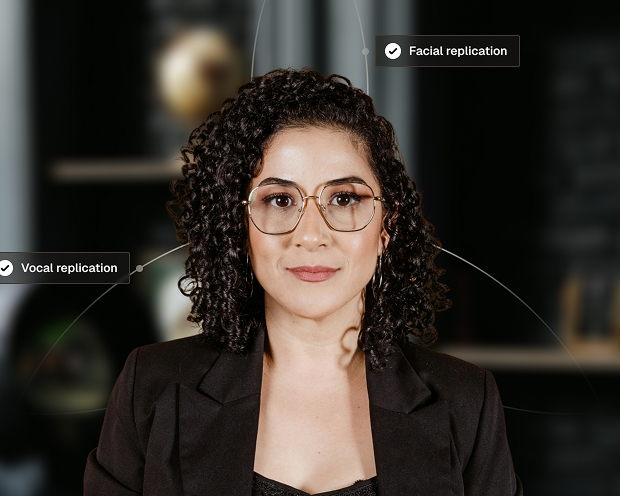
The word "deepfake" comes from the combination of "deeplearning" and "fake," and describes an advanced artificialintelligence technique that manipulates or generates audiovisual content with adegree of realism previously unachievable. Using neural networks andreinforcement learning techniques, this technology can analyze and replicatepeople's facial and vocal characteristics with astonishing precision, allowingthe creation of videos or images of individuals saying or doing things thatnever actually happened.
The process requires large volumes of data and computational power,analyzing extensive sets of images and sounds to learn and replicate specificbehavior and expression patterns. Deepfakes open the doors to a new dimensionof creativity and expression, but they also represent a potentially dangeroustool for the propagation of disinformation, fraud, and the manipulation ofpublic opinion. Their existence challenges our perceptions of reality,demanding a profound reflection on ethics and regulation in the use of advancedartificial intelligence technologies.
The Impact on the Business World
Forcompanies, deepfakes represent an emerging and significant risk. Here are somepossible scenarios:
- Executive Identity Theft: Imagine aconvincing video of a company's CEO announcing a merger, acquisition, or aradical change in business strategy that was never planned. This could causeerratic fluctuations in the stock market and damage corporate reputation.
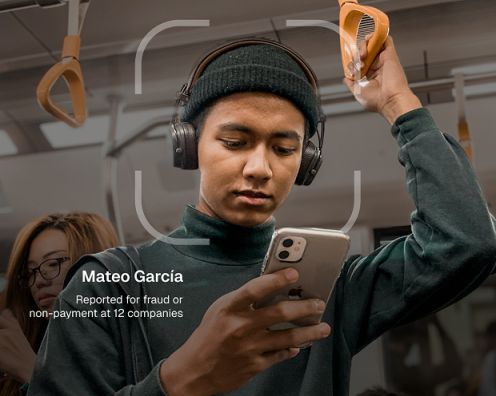
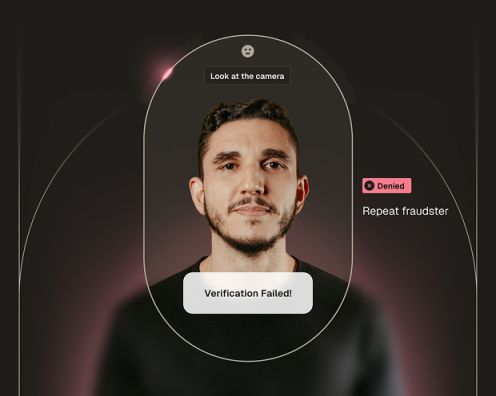
- Security Fraud: Deepfakes can be used tobypass verification systems based on facial recognition, allowing maliciousactors to gain access to restricted areas or IT systems.
- Deception in Recruitment Processes:Creating fake job interviews with candidates who do not exist or alteringdemonstrated skills can lead to hiring decisions based on fraudulentinformation.
Mitigation Strategies
Given thisoutlook, it is crucial for companies to develop and implement strategies tomitigate the risk of fraud associated with deepfakes. Some measures include:
- Rigorous Verification: Implement stricterand manual verification processes to confirm the authenticity of criticalinformation before making decisions based on it.
- Education and Awareness: Train employeeson the existence and deceptive potential of deepfakes to improve the earlydetection of fraud attempts.
- Detection Technology: Invest inspecialized software capable of identifying subtle differences between genuineand manipulated content.
The era of deepfakes poses new ethical and security challenges forbusinesses and society at large. As this technology evolves, so must ourability to detect and prevent its potential abuses. Contact us to learn aboutsolutions capable of detecting deepfakes



Want to know more?
Unico is the only identity network that replaces uncertainty with conviction, friction with seamless journeys, and risk with partnership.